When ants march across your kitchen counter or you hear scratching in the walls at night, you're faced with a decision that nearly every homeowner encounters: grab a spray bottle and handle it yourself, or pick up the phone and call in the pros? Both DIY pest control and hiring a professional have their place, but choosing the wrong approach can cost you time, money, and sometimes make the problem worse. Let's walk through what you need to know to make the smartest choice for your situation.
DIY Pest Control: When It Works and When It Doesn't
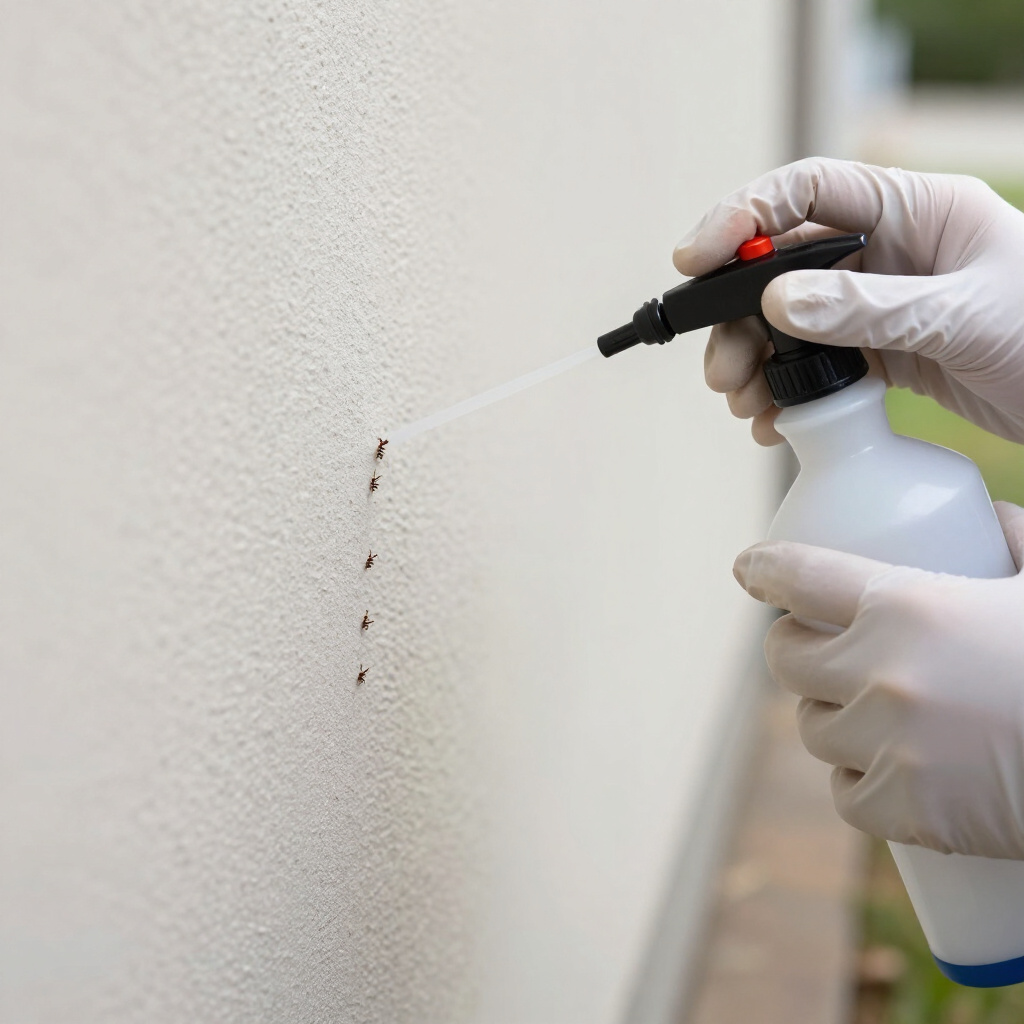
DIY pest control can be surprisingly effective for minor, isolated problems. A few scout ants searching for crumbs? A store-bought bait station or vinegar spray often does the trick. A single wasp nest under your eave? An aerosol wasp killer applied at dusk can safely eliminate the threat. The appeal is obvious: lower upfront cost, immediate action, and no waiting for an appointment.
However, DIY methods have clear limitations. Most over-the-counter products are contact killers—they eliminate what you see but rarely reach the source. Spray a line of ants and you'll kill dozens, but the colony hidden in your wall continues thriving. Worse, some DIY tactics backfire spectacularly. Disturbing a yellowjacket nest without proper equipment can turn a manageable situation into a dangerous emergency. Using the wrong bait for roaches can actually scatter them deeper into your home, spreading the infestation.
Safety concerns matter too. Many homeowners don't read labels carefully, mixing incompatible chemicals or applying products near food preparation areas, pet bowls, or children's play spaces. Improper pesticide application can harm your family's health and the environment while failing to solve the pest problem.
DIY pest control works best when you're dealing with a small, early-stage infestation, you can clearly identify the pest, and you understand exactly what the product does. Think prevention and spot treatment—not full-blown elimination.
When to Call a Professional Exterminator
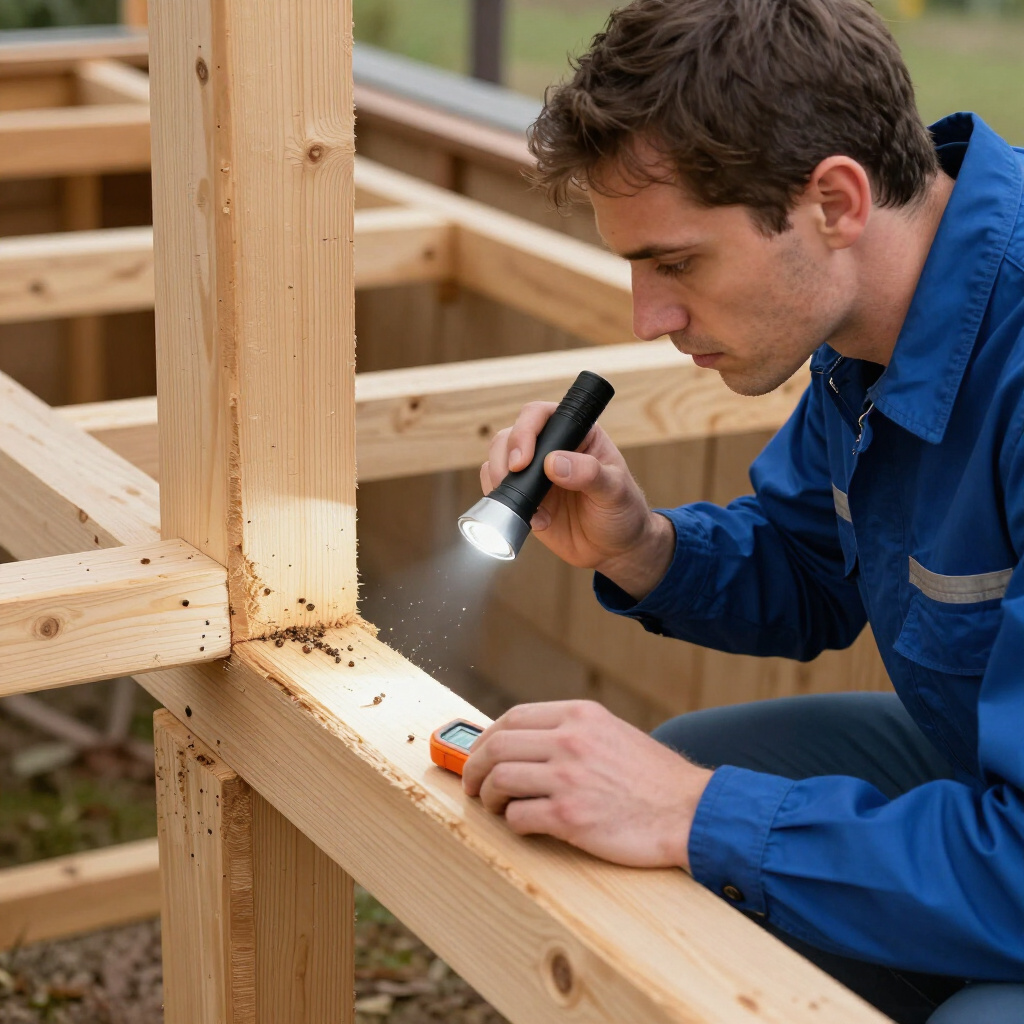
Certain situations demand professional expertise without question. Termites top this list—these silent destroyers can compromise your home's structural integrity long before you notice obvious signs. By the time you see mud tubes or swarmers, significant damage may already exist. Professionals have the training, tools, and access to specialized termiticides that simply aren't available to consumers.
Bed bugs represent another scenario where DIY efforts almost always fail. These resilient pests hide in impossible-to-reach cracks, reproduce rapidly, and have developed resistance to many common insecticides. Heat treatment, the most reliable elimination method, requires expensive equipment and precise temperature control that homeowners cannot replicate.
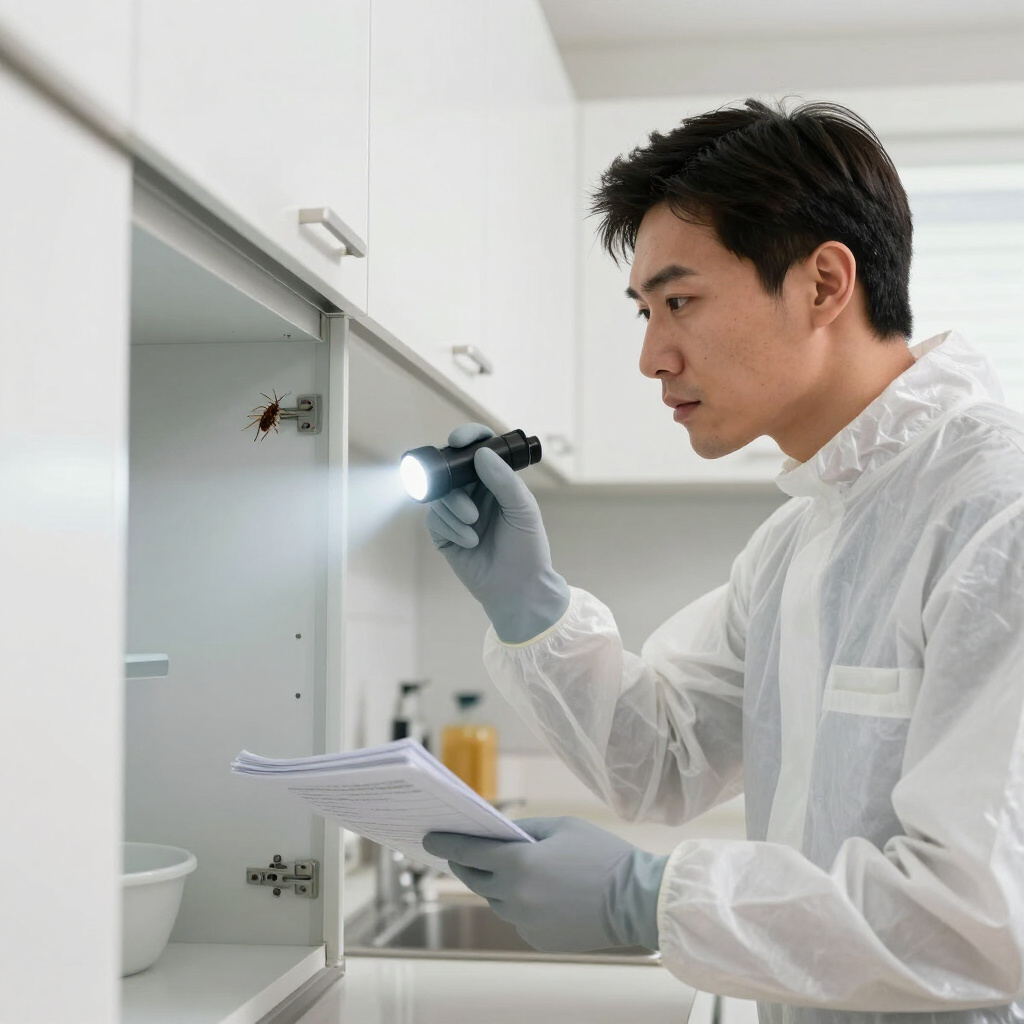
Recurring or widespread infestations signal that you're treating symptoms rather than causes. If you've tried multiple store products and pests keep returning, you're likely missing the nest, harbourage, or entry point. Professionals conduct thorough inspections to identify these hidden factors and implement targeted solutions.
Health-threatening pests—venomous spiders, disease-carrying rodents, aggressive stinging insects—warrant professional handling for your safety. So do situations involving protected species (certain bats, birds) where improper removal carries legal penalties.
Licensed pest control technicians bring something else to the table: integrated pest management knowledge. They understand pest biology, seasonal behaviors, and how environmental conditions affect infestations. This expertise allows them to solve problems more efficiently and prevent future occurrences rather than simply reacting to what's visible.
Key Tips for Making Your Decision
Start with honest assessment. How extensive is the problem? One mouse sighting might warrant a few snap traps; nightly scratching in multiple walls suggests a larger colony requiring professional rodent control. Can you identify the pest correctly? Misidentification leads to wrong treatments—what works for carpet beetles won't touch clothes moths, though both damage fabrics.
Consider your time and tolerance. DIY pest control demands research, careful application, and ongoing monitoring. If you're already overwhelmed or squeamish about handling pests directly, professional service saves significant stress.
Calculate true costs, not just sticker prices. That $15 ant spray seems cheap until you buy four bottles over two months with ants still appearing. Professional treatment might cost $150-$300 upfront but solve the problem in one visit. For termites, DIY "solutions" can cost thousands in preventable structural repairs.
If you proceed with DIY, follow labels precisely, use appropriate protective equipment, and never combine products unless specifically instructed. Store all pesticides securely away from children and pets.
When vetting professionals, verify licensing through your state regulatory agency, ask about their specific experience with your pest problem, and request detailed treatment plans. Reputable companies explain what they'll use, where they'll apply it, and what results to expect. Be wary of high-pressure sales tactics or quotes given without inspection.
Final Thoughts
DIY pest control and professional services aren't mutually exclusive—they complement each other across a spectrum of pest situations. Handle the occasional spider, seasonal ant trail, or preventive perimeter treatment yourself. But recognize when a problem exceeds your knowledge, tools, or risk tolerance. Calling a professional isn't admitting defeat; it's making a smart investment in your home's protection and your family's wellbeing.
The most successful homeowners develop a hybrid approach: staying vigilant with preventive DIY measures while building a relationship with a trusted pest control company for situations requiring expertise. This balanced strategy keeps minor problems from becoming major infestations while ensuring you never face a serious threat alone and unprepared.