
Most spiders that wander into homes are harmless house spiders simply looking for shelter, food, or mates. Yet even knowing this, discovering one in your bedroom at midnight rarely feels reassuring. The good news? Keeping spiders out of your house doesn't require harsh chemicals or elaborate traps. With a few practical, consistent strategies, you can make your home far less appealing to these eight-legged visitors—and enjoy much greater peace of mind.
How to Keep Spiders Out of Your House by Sealing Entry Points
Spiders don't need much space to slip inside. A gap the width of a pencil is plenty for many common species. The most effective long-term solution starts with making your home's exterior as impenetrable as possible.
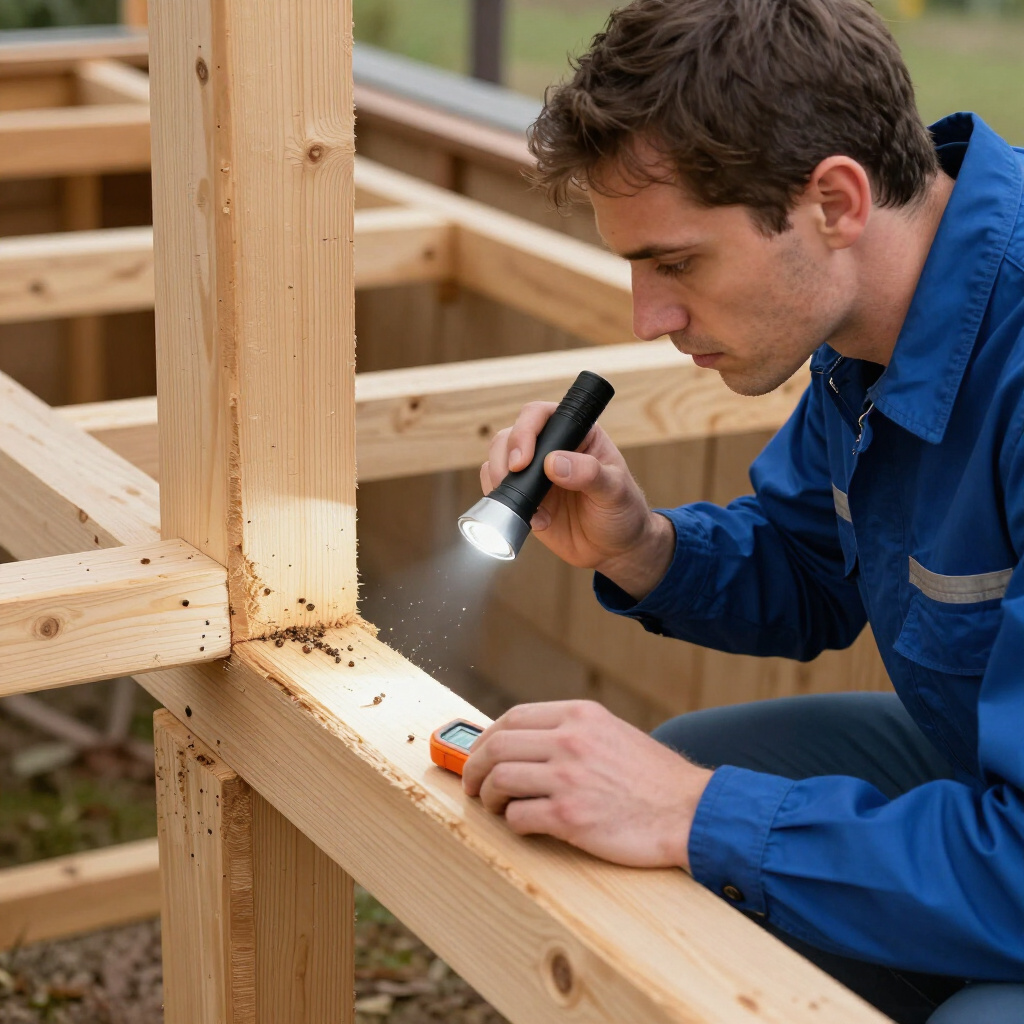
Begin with a thorough perimeter inspection. Check window screens for tears and repair or replace damaged ones promptly. Examine door sweeps and weatherstripping—if you can see daylight beneath an exterior door, spiders can enter. Caulk cracks around window frames, foundation walls, and where utility lines enter your home. Don't overlook vents; cover attic and crawl space vents with fine mesh screens.
Pay special attention to the garage, which often serves as a gateway between outdoors and your living spaces. Install a threshold seal and keep the garage door closed when not in use. The effort you put into sealing now prevents not just spiders but also many other pests from establishing indoor routes.
Reduce the Insects That Attract Spiders
Spiders are predators, and they follow their food sources. A home with abundant flying insects, ants, or other small arthropods is essentially a spider buffet. Control the prey, and spiders will naturally look elsewhere.
Start by managing your lighting. Outdoor lights left on overnight draw moths, flies, and mosquitoes, which in turn draw hunting spiders. Switch to warm-colored LED bulbs or sodium vapor lights, which attract fewer insects. Consider motion-sensor lights that only activate when needed. Indoors, avoid leaving lights on in unused rooms during evening hours when insects are most active.
Address moisture issues throughout your property. Damp basements, leaky faucets, and clogged gutters create ideal conditions for the insects spiders feed on. Run a dehumidifier in musty areas, fix plumbing leaks promptly, and clean gutters seasonally. Keep firewood stacked well away from your foundation, as it harbors both insects and the spiders that hunt them.
Declutter and Clean Strategically
Spiders thrive in undisturbed environments. Clutter provides hiding spots, egg-laying sites, and protected hunting grounds. Regular, targeted cleaning disrupts these conditions and signals to spiders that your space isn't suitable territory.
Focus on the quiet zones spiders prefer: basements, attics, closets, storage rooms, and spaces beneath furniture. Vacuum thoroughly in corners, along baseboards, behind appliances, and in ceiling junctions. Use your vacuum's hose attachment to reach webs in high corners and window tracks. Immediately dispose of the vacuum bag or canister contents outdoors, as egg sacs can hatch inside.
Minimize cardboard storage boxes, which spiders favor over plastic alternatives. Store seasonal items in sealed plastic bins with tight-fitting lids. Keep clothing and linens in chests or wardrobes rather than open piles. In garages and sheds, hang tools and equipment on walls rather than leaning them in corners where webs accumulate easily.
Key Tips for Natural Spider Deterrents
While sealing and cleaning form your foundation, several natural approaches can reinforce your spider prevention efforts without introducing synthetic pesticides into your living environment.
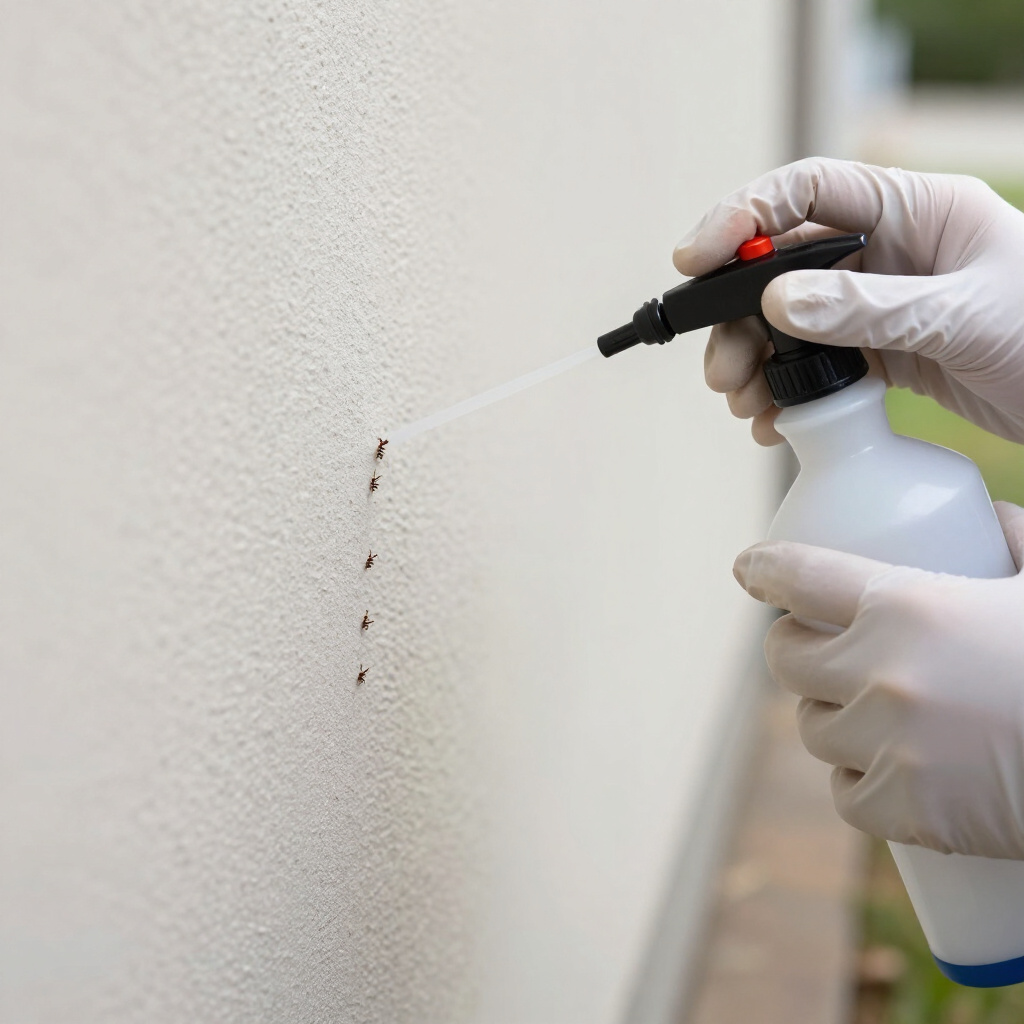
Essential oils show modest repellent properties against spiders. Peppermint oil diluted in water and sprayed along baseboards, window sills, and door frames creates a scent barrier many spiders avoid. Reapply weekly for maintained effect. Vinegar solutions serve similarly, though the smell dissipates faster. Diatomaceous earth, a fine powder made from fossilized algae, can be applied sparingly in wall voids and behind appliances where it desiccates spiders that contact it.
Landscaping choices matter too. Trim shrubs, tree branches, and dense plantings so they don't touch your home's exterior—spiders use vegetation as bridges. Maintain a gravel or rock barrier immediately around your foundation rather than mulch, which retains moisture and shelters prey insects. Keep your lawn mowed and leaf litter cleared to reduce ground-level spider habitat near entry points.
For persistent problems in specific areas, consider targeted, low-toxicity options such as sticky traps placed in corners or along known travel paths. These won't solve an infestation alone but help monitor activity and catch individuals before they venture deeper into living spaces.
Final Thoughts
Learning how to keep spiders out of your house comes down to understanding what draws them in and systematically removing those attractions. Seal access routes, eliminate their food sources by controlling insects, and maintain spaces that offer no shelter for webs or egg sacs. Natural deterrents provide additional support but work best as complements to these fundamental practices rather than replacements.
Consistency matters more than intensity. A quarterly perimeter inspection, seasonal decluttering, and prompt attention to repairs will keep your home far less hospitable to spiders than any single dramatic intervention. Most homeowners who adopt these habits report noticeable reductions in indoor spider sightings within just a few weeks.
If you're experiencing unusually high spider activity despite these measures, or if you've encountered potentially dangerous species in your region, consulting with a pest management professional can identify hidden entry points or conditions you may have missed. They can also provide targeted, responsible treatments for situations that exceed typical household management.