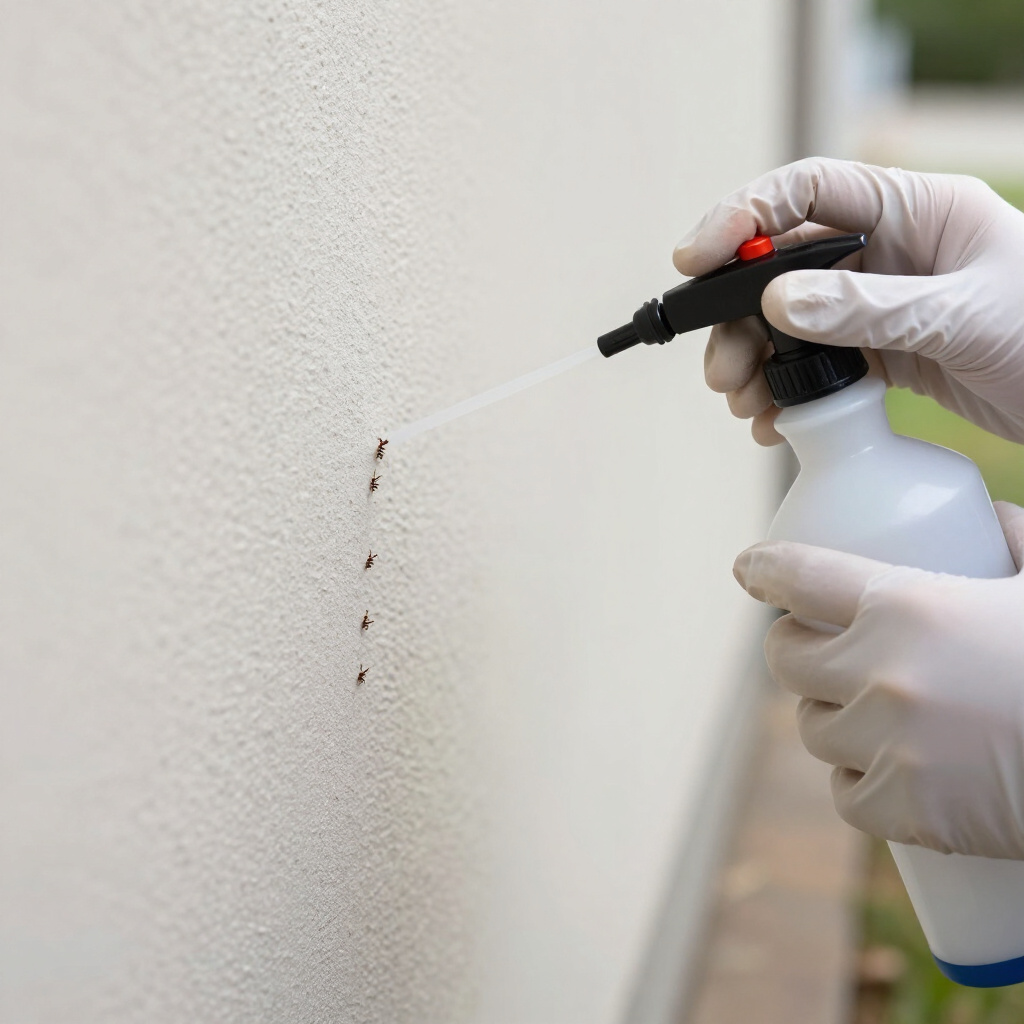


Few things are more frustrating than watching a steady stream of ants marching across your kitchen counter. One day your home is peaceful, and the next, it seems like every ant in the neighborhood has received a personal invitation to dinner. The good news? You don't have to accept this as a seasonal norm. With the right approach, you can make your home far less appealing to these persistent invaders and keep them outside where they belong.
How to Prevent Ants From Invading Your Home Starts With Understanding Their Behavior
Ants aren't randomly wandering into your living space—they're on a mission. Worker ants leave their colony in search of food and water, laying down a pheromone trail that acts like a roadmap for their nest-mates. Once a single ant finds something worthwhile, hundreds more can follow within hours. This is why you might see nothing one evening and a full-blown invasion the next morning.
Understanding this behavior is crucial because it changes how you approach prevention. Killing the visible ants with a quick spray might feel satisfying, but it rarely solves the problem. The colony remains intact, and new workers will simply find a different route. Effective prevention targets the reasons ants enter in the first place and disrupts their ability to communicate and forage successfully.
Most ant species prefer consistent moisture and reliable food sources. Your home likely offers both, especially during periods of extreme weather. Drought drives them inside for water; heavy rains can flood outdoor nests and send them seeking higher ground. Temperature fluctuations also play a role, making spring and fall particularly active seasons for indoor ant activity.
Seal Entry Points Before Ants Find Them
Ants are remarkably resourceful when it comes to finding ways inside. They can squeeze through cracks barely wider than a piece of paper, exploit gaps around utility lines, and climb textured surfaces with ease. A thorough inspection of your home's exterior is one of the most effective investments of time you can make.
Start by examining the foundation, paying special attention to where it meets siding or brick. Look for gaps around windows and doors—weatherstripping deteriorates faster than many homeowners realize. Check where plumbing, electrical, and cable lines penetrate walls; these utility entry points often have generous gaps that ants exploit freely. Don't overlook vents, weep holes in brickwork, and the spaces beneath garage doors.
Seal identified gaps with appropriate materials. Silicone caulk works well for most cracks and crevices. Steel wool combined with caulk provides extra deterrent for larger openings, as ants struggle to chew through the metal fibers. Replace damaged weatherstripping and install door sweeps where gaps exist at the bottom of exterior doors. For weep holes and vents, consider specialized covers that allow airflow while blocking insect entry.
Remember that prevention is ongoing. Seasonal settling, new landscaping projects, and normal wear can create fresh vulnerabilities. Make exterior inspection a biannual habit, ideally in early spring and late fall.
Eliminate the Food and Water Sources That Attract Ants
A spotless home isn't necessary for ant prevention, but strategic cleanliness makes a tremendous difference. Ants have incredibly sensitive chemoreceptors and can detect food sources from surprising distances. Once they lock onto a scent, they're remarkably persistent.
In the kitchen, store dry goods in airtight containers rather than original packaging. This includes flour, sugar, cereals, pet food, and even apparently sealed items like crackers. Wipe down counters and tables after every meal preparation, not just at the end of the day. Sweep floors regularly, paying attention to the gaps beneath appliances where crumbs accumulate unseen. Don't let dirty dishes sit overnight; even small amounts of residue on plates can attract foragers.
Pay special attention to your trash and recycling. Use bins with tight-fitting lids and take garbage out frequently, especially in warm weather. Rinse recyclables before storing them, as sticky residue from bottles and cans is a major ant attractant. Clean trash cans periodically with soapy water to remove buildup and odors.
Moisture control deserves equal attention. Repair leaky faucets, pipes, and appliances promptly. Ensure bathrooms are well-ventilated and wipe down sinks and tubs after use if you notice ant activity. Address condensation issues around windows and in basements. Even pet water bowls can draw ants, so consider placing them on a tray with a small amount of soapy water creating a moat, or refresh them frequently.
Key Tips for Long-Term Ant Prevention Success
Landscape management plays an underappreciated role in keeping ants at bay. Trim tree branches and shrubs so they don't touch your home's exterior—ants use these as natural bridges that bypass your ground-level defenses. Keep mulch and dense ground cover at least six inches from the foundation; these materials retain moisture and provide ideal nesting habitat. Consider using gravel or rock immediately adjacent to the house instead.
Manage other insect populations around your property. Ants feed on honeydew produced by aphids, scale insects, and mealybugs. Controlling these plant pests reduces a significant food source that supports large ant colonies near your home. Similarly, address outdoor food sources like fallen fruit, open compost piles, and accessible pet food.
When prevention measures need reinforcement, baiting strategies outperform spraying for most situations. Ant baits combine attractive food with slow-acting insecticide. Workers carry the bait back to the colony, where it's shared with the queen and developing ants. This approach targets the entire colony rather than just the visible foragers. Place baits along known ant trails and near entry points, but never combine them with repellent sprays—the conflicting signals confuse ants and reduce bait effectiveness.
Be patient with baits. It can take several days to a week to see significant reduction as the toxicant works through the colony. Avoid the temptation to kill visible ants during this period, as you want them actively transporting bait back to the nest.
For persistent problems or when you're unable to locate how ants are entering, professional assessment becomes valuable. Pest management professionals have specialized tools and knowledge to identify species-specific behaviors, locate hidden nests, and implement targeted solutions.
Final Thoughts
Preventing ants from invading your home requires a multi-layered approach that addresses their fundamental needs: access, food, and water. No single tactic provides complete protection, but combining exclusion efforts with sanitation and smart landscape management creates an environment where ants simply prefer to look elsewhere.
The most successful homeowners treat ant prevention as an ongoing practice rather than a one-time project. Seasonal inspections, consistent kitchen habits, and prompt attention to new ant sightings stop small issues before they become major infestations. With patience and thoroughness, you can enjoy a home that remains comfortably ant-free without relying on constant chemical treatments.
Start with the fundamentals today—seal a few gaps, transfer pantry items to sealed containers, and take a walk around your home's perimeter with fresh eyes. These simple steps build the foundation for lasting protection against one of nature's most determined little invaders.