
A pest problem in your home can disrupt your peace of mind, damage your property, and even pose health risks to your family. Whether you're dealing with ants marching across your kitchen counter or mysterious sounds in the attic, knowing what you're up against is the first step toward effective control. In this guide, we'll explore the most common household pests and share practical, proven strategies to keep them outside where they belong.
Most Common Household Pests and How to Prevent Them
Every region has its pest challenges, but certain invaders show up in homes across the country year after year. Understanding their behavior, what attracts them, and how they get inside empowers you to stop problems before they start.
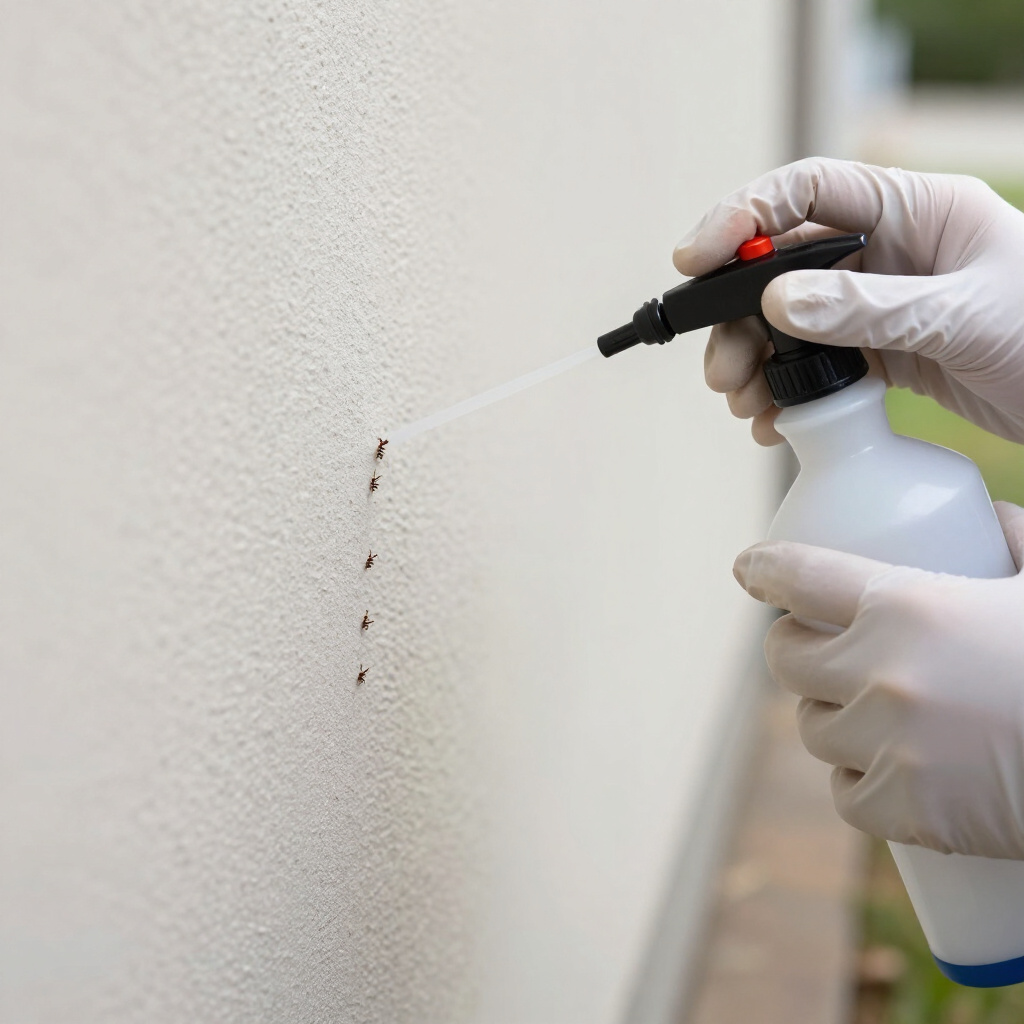
Ants top the list of nuisance pests. These tiny foragers enter homes searching for food and water, often following invisible scent trails left by scout ants. Sugar ants, carpenter ants, and odorous house ants are frequent offenders. Once established, colonies can number in the thousands and become frustratingly persistent.
Cockroaches rank among the most concerning household pests due to their resilience and potential to spread bacteria. German cockroaches prefer warm, humid areas like kitchens and bathrooms, while American cockroaches often enter through drains and sewer connections. They're nocturnal, so seeing one during daylight usually signals a larger hidden population.
Rodents—mice and rats—cause significant damage by gnawing on wires, insulation, and structural materials. They contaminate food stores and can introduce parasites and diseases. A single mouse can squeeze through an opening the width of a pencil, making exclusion work critical.
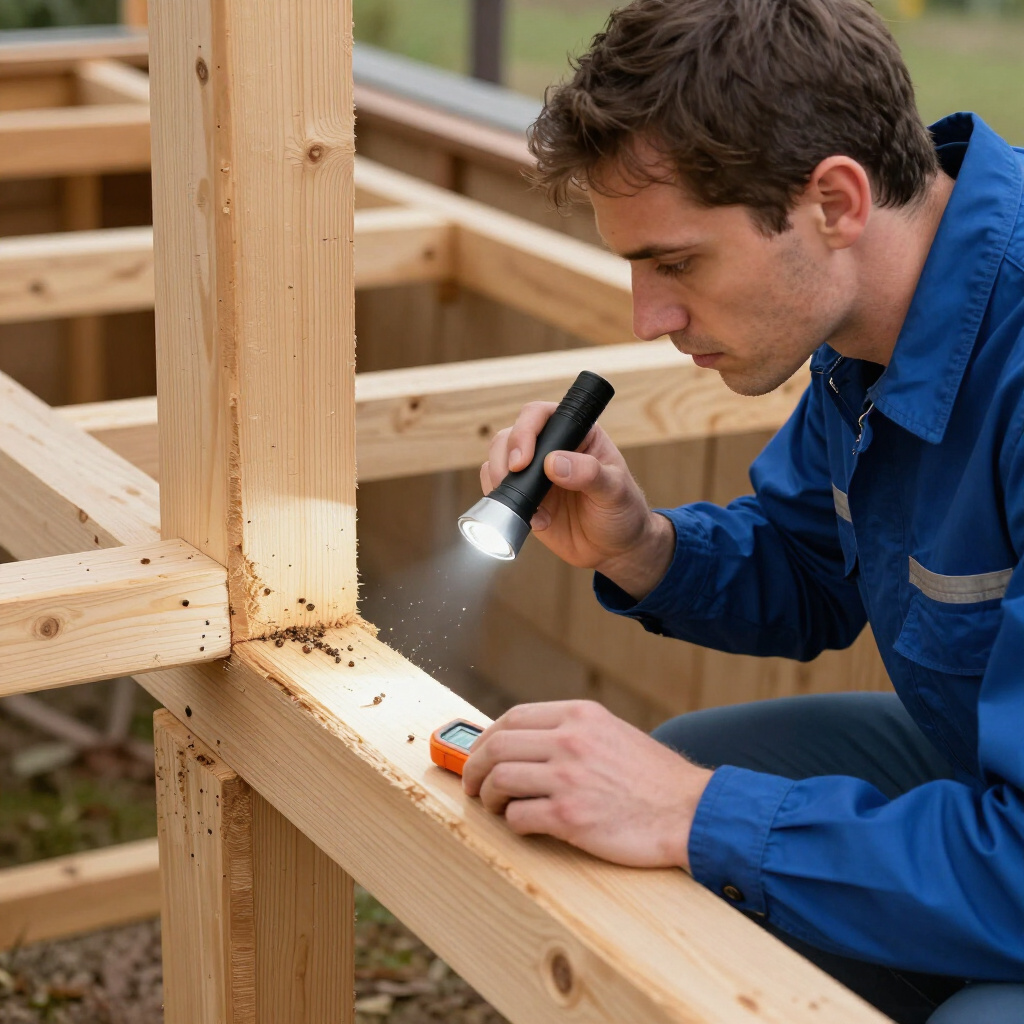
Termites work silently and can compromise your home's structural integrity before visible signs appear. Subterranean termites build mud tubes for moisture protection, while drywood termites establish colonies directly within wooden structures. Annual professional inspections remain your best defense against costly damage.
Spiders typically enter homes seeking prey insects. While most household spiders are harmless, species like black widows and brown recluses require caution. Reducing their food source—other insects—naturally diminishes spider populations indoors.
Bed bugs have resurged dramatically in recent decades. These hitchhiking pests travel on luggage, furniture, and clothing. They're not a sanitation indicator but rather an exposure issue, making vigilance essential after travel or acquiring secondhand items.
Stinging insects including wasps, hornets, and yellow jackets build nests in eaves, attics, and wall voids. Their territorial behavior makes them hazardous to remove without proper equipment and training.
Prevention Strategies That Actually Work
Effective pest prevention operates on multiple levels—eliminating attractants, sealing entry points, and maintaining vigilant monitoring.
Seal your home's exterior. Inspect foundation walls, utility penetrations, door sweeps, and window screens for gaps and damage. Caulk cracks, replace worn weatherstripping, and repair torn screens. Pay special attention to areas where utilities enter—pipes and wires create common entry highways for pests.
Manage moisture aggressively. Many pests require water sources to survive. Fix leaking faucets, running toilets, and condensation issues promptly. Ensure gutters drain properly and downspouts direct water away from your foundation. Use dehumidifiers in damp basements and crawl spaces.
Store food properly. Keep pantry items in sealed glass, metal, or heavy plastic containers. Avoid leaving pet food out overnight. Clean crumbs and spills immediately, and don't forget about less obvious food sources like garbage cans, compost bins, and recycling containers with residue.
Maintain your landscape strategically. Trim tree branches and shrubs away from your roofline and exterior walls—these serve as bridges for pests. Keep mulch and ground cover at least six inches from your foundation. Store firewood off the ground and well away from your home's exterior.
Practice smart travel habits. When staying in hotels, inspect mattress seams and headboards for bed bug signs. Keep luggage elevated on racks rather than on floors or beds. Upon returning home, launder travel clothing in hot water and vacuum luggage before storing.
When to Call a Professional
DIY prevention handles many situations, but certain scenarios warrant professional expertise. Recurring infestations despite your efforts, signs of termite activity, rodent issues in wall voids or attics, and any stinging insect nest removal present risks that trained technicians manage safely and effectively.
Professional pest control offers advantages beyond treatment alone. Licensed technicians identify contributing conditions you might miss, implement targeted solutions based on specific pest biology, and provide ongoing monitoring to catch problems early. Many companies now offer environmentally conscious options including integrated pest management approaches that minimize chemical use.
When selecting a pest control partner, verify proper licensing and insurance, ask about their treatment philosophies and guarantees, and request references from neighbors with similar homes. The lowest bid rarely delivers the best long-term value.
Final Thoughts
Living pest-free requires consistent attention rather than dramatic interventions. The homes that stay protected share common traits: proactive maintenance, prompt response to early warning signs, and partnership with qualified professionals when situations exceed DIY capabilities.
Start with a thorough walk-around your home this weekend, identifying and addressing the vulnerabilities we've discussed. Small investments of time and effort now prevent the stress, expense, and potential health impacts of established infestations later. Your home should remain your sanctuary—not a welcome center for unwanted guests.