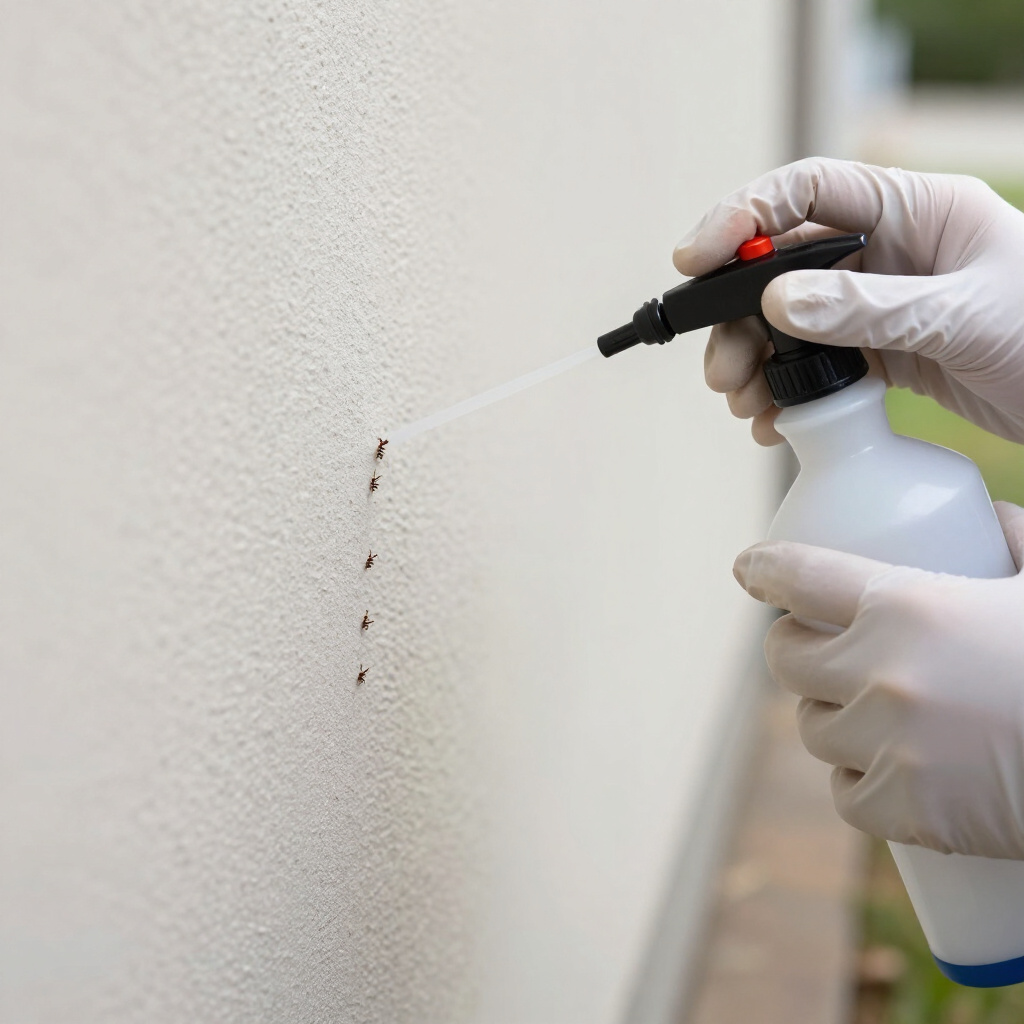

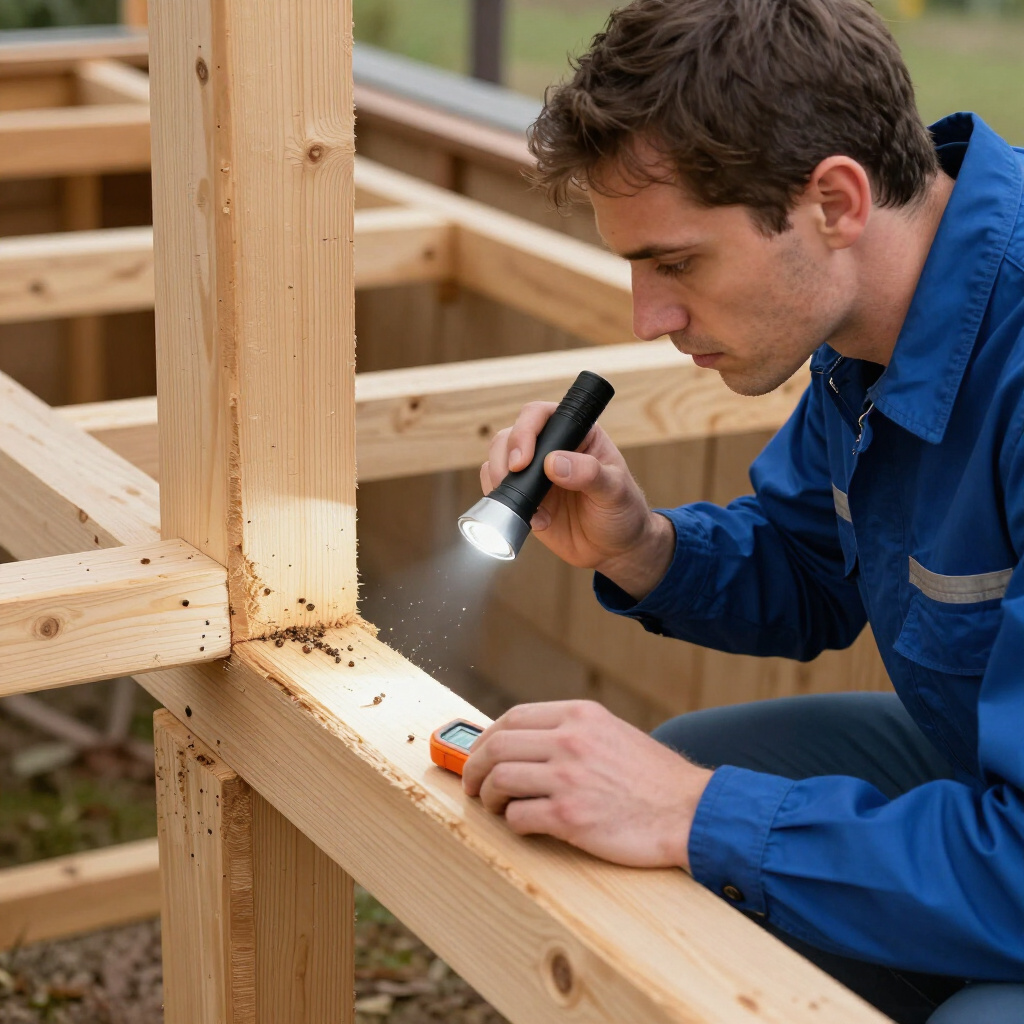
When ants march across your kitchen counter or aphids cluster on your tomato plants, reaching for harsh chemicals isn't your only option. Natural pest control methods have evolved far beyond old wives' tales—many are backed by solid science and deliver real results. Whether you're protecting your home, garden, or family pets, these proven approaches can help you manage unwanted visitors without compromising safety or the environment.
Natural Pest Control Methods That Actually Work in Your Home
The foundation of effective natural pest control starts with understanding what attracts pests in the first place. Food residue, moisture, and accessible entry points are the big three invitations. Start by sealing cracks around windows, doors, and utility penetrations with caulk or weatherstripping. Store dry goods in airtight glass or metal containers rather than cardboard or plastic bags that rodents can chew through.
For active infestations, several natural remedies demonstrate genuine effectiveness. Diatomaceous earth, a powder made from fossilized aquatic organisms, damages the exoskeletons of crawling insects like ants, cockroaches, and bed bugs, causing them to dehydrate. Sprinkle food-grade diatomaceous earth along baseboards and behind appliances, keeping it dry for maximum impact. Reapply after vacuuming or if the area becomes damp.
Boric acid remains one of the most reliable natural insecticides when used with precision. Mixed with a sweet attractant, it targets ants and cockroaches that carry the bait back to their colonies. Place boric acid formulations in areas inaccessible to children and pets, such as inside wall voids or under heavy appliances. Unlike repellent sprays that scatter insects, this approach eliminates the source.
Essential oils offer variable results depending on the pest and concentration. Peppermint oil shows particular promise against spiders and mice—soak cotton balls and place them in corners, closets, and garage perimeters. Tea tree oil and neem oil demonstrate repellent properties against certain insects, though they typically require more frequent reapplication than synthetic alternatives. For best results, combine essential oils with other natural pest control strategies rather than relying on them exclusively.
Proven Approaches for Garden and Outdoor Spaces
Your garden presents unique challenges where natural methods truly shine. Beneficial insects form the cornerstone of sustainable outdoor pest management. Ladybugs voraciously consume aphids, mites, and scale insects. Lacewings and parasitic wasps target caterpillars and other destructive larvae. Attract these allies by planting dill, fennel, cosmos, and yarrow—plants that provide nectar and pollen throughout the growing season.
Physical barriers often outperform sprays of any kind. Floating row covers protect vegetables from flea beetles, cabbage moths, and other flying pests while allowing light and water through. Copper tape around raised beds deters slugs and snails through a mild electric reaction. Handpicking remains remarkably effective for larger pests like tomato hornworms and Japanese beetles, especially when done consistently in early morning when insects are sluggish.
Botanical insecticides derived from plants offer targeted intervention when prevention falls short. Pyrethrin, extracted from chrysanthemum flowers, rapidly knocks down flying and crawling insects but breaks down quickly in sunlight, minimizing residual impact. Rotenone, from tropical legume roots, controls beetles, caterpillars, and fish in ornamental ponds. Always apply botanicals in evening hours to protect pollinators, and recognize that "natural" does not mean harmless—these substances require the same careful handling as synthetic products.
Companion planting leverages natural pest relationships without any sprays. Marigolds release compounds that repel nematodes in soil. Nasturtiums act as trap crops, drawing aphids away from vegetables. Garlic and chive plantings discourage Japanese beetles and aphids from neighboring plants. The key is strategic placement—interplanting throughout your garden rather than isolating repellent species in single beds.
Key Tips for Maximizing Natural Pest Control Success
Patience distinguishes successful natural pest management from frustrated abandonment. Chemical pesticides often provide dramatic overnight results; natural methods typically work more gradually through population disruption and prevention. Set realistic expectations and commit to consistent application rather than sporadic attempts.
Identification accuracy matters enormously. A treatment effective against carpenter ants may fail completely against odorous house ants. Misidentifying garden pests leads to wasted effort and continued damage. When uncertain, capture a specimen for identification through your local cooperative extension service or a reputable pest management professional before selecting your approach.
Integrated strategies outperform single-method attempts. Combine exclusion techniques, habitat modification, biological controls, and targeted natural products rather than expecting one solution to solve everything. Monitor results weekly and adjust your approach based on what the evidence shows—not what you hope might work.
Timing amplifies effectiveness considerably. Apply diatomaceous earth before ant trails establish. Release beneficial insects at dusk when they're less likely to fly away immediately. Treat garden pests in early development stages when they're most vulnerable. Calendar-based prevention often prevents the crises that demand reactive intervention.
Finally, maintain perspective about acceptable damage. A few nibbled leaves or occasional indoor ant sightings represent normal ecosystem interaction rather than failure. Natural pest control aims for sustainable management within tolerable thresholds, not sterile elimination of all insects from your property.
Final Thoughts
Natural pest control methods that actually work require commitment, accurate identification, and strategic combination of multiple approaches. The rewards justify the effort: reduced chemical exposure for your family, preserved beneficial insect populations, and long-term solutions that address underlying conditions rather than suppressing symptoms temporarily. Start with prevention fundamentals, layer in biological and physical controls, and reserve botanical or mineral interventions for situations where gentler methods prove insufficient. Over time, you'll develop an intuitive understanding of your specific property's pest pressures and the natural solutions that respond most effectively.