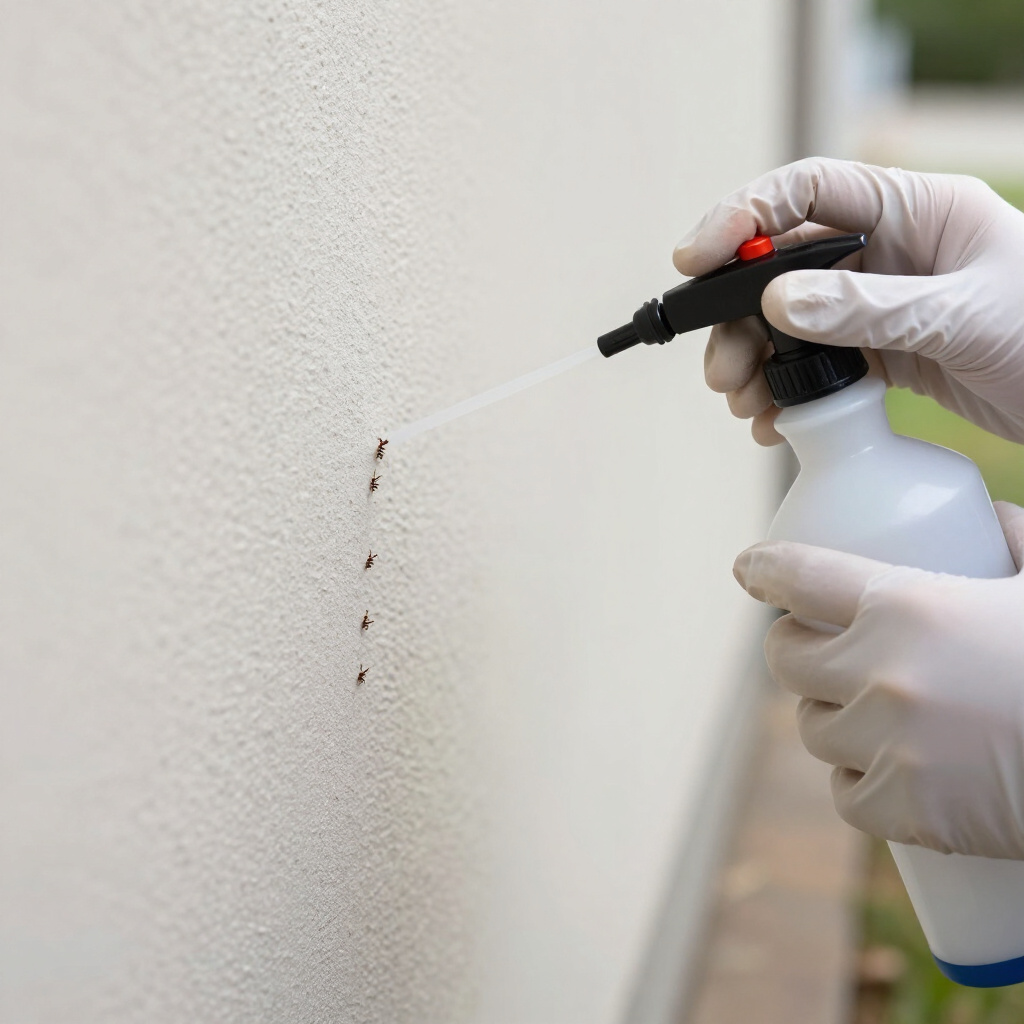


Keeping your home pest-free isn't a one-time task—it's a year-round commitment that changes with the seasons. Each time of year brings different pests knocking at your door, from winter rodents seeking warmth to summer mosquitoes turning your backyard into a no-fly zone. The good news? With a proactive seasonal pest control checklist, you can stay ahead of infestations before they start. Whether you're a new homeowner or have been maintaining your property for decades, this guide will walk you through exactly what to do and when to do it, saving you stress, money, and unwanted critter encounters.
Seasonal Pest Control Checklist: Spring Preparation and Prevention
As temperatures rise and nature reawakens, pests emerge from their winter hiding spots with renewed energy. Spring is your opportunity to set the tone for the entire year by sealing entry points and eliminating conditions that attract pests.
Start with a thorough exterior inspection. Walk around your home and examine the foundation for cracks, gaps around utility lines, and damaged weatherstripping. Ants, termites, and spiders are particularly active in spring and can exploit even tiny openings. Seal cracks with silicone caulk, replace worn door sweeps, and ensure window screens are intact without tears.
Next, address moisture issues. Clean gutters and downspouts to prevent water accumulation near your foundation. Trim shrubs and tree branches so they don't touch your home—these act as highways for ants, cockroaches, and rodents. Finally, schedule a professional termite inspection if it's been more than a year. Spring swarms are often the first visible sign of a problem that's already established.
Inside your home, declutter storage areas where pests could nest. Vacuum thoroughly, paying attention to baseboards and corners. Consider treating pet bedding and carpets for fleas if you have animals that spend time outdoors.
Summer Vigilance: Peak Pest Activity
Summer brings the busiest pest season, with warm temperatures accelerating breeding cycles. Your seasonal pest control checklist should focus on outdoor management and preventing pests from migrating indoors as they seek food and cooler shelter.
Mosquitoes top the summer concern list. Eliminate standing water weekly—check bird baths, plant saucers, clogged gutters, and children's toys. Even a bottle cap of water can become a breeding site. For persistent areas, consider larvicide treatments or professional mosquito barrier sprays for your yard.
Wasps and hornets build nests in eaves, sheds, and trees during summer. Inspect these areas monthly and address nests early when they're small. Never attempt removal if you're allergic or if the nest is large—this is a job for professionals with proper protective equipment.
Indoors, kitchen vigilance becomes essential. Fruit flies, ants, and cockroaches thrive in warm conditions with accessible food. Store pantry items in sealed containers, clean countertops daily, and take out garbage regularly. Don't overlook pet food bowls—pick them up overnight and store food in airtight containers.
If you enjoy gardening, inspect vegetables and fruits regularly for signs of stink bugs, squash bugs, or tomato hornworms. Hand-picking and row covers can reduce damage without heavy chemical use.
Fall Transition: Blocking Winter Invaders
As days shorten and temperatures drop, rodents, spiders, and overwintering insects begin seeking shelter. Fall preparation is arguably the most critical phase of your seasonal pest control checklist because it prevents the problems you'll face all winter.
Begin by repeating your spring exterior inspection with added attention to the roofline. Squirrels and roof rats can exploit loose shingles, damaged vents, and uncapped chimneys. Install hardware cloth over attic vents and ensure chimney caps are secure.
Focus heavily on rodent exclusion. Mice can squeeze through openings as small as a dime. Stuff steel wool into gaps around pipes, then seal with caulk or foam. Check where the garage door meets the ground—garages are common entry points that lead to the rest of your home.
Store firewood at least twenty feet from your home and elevate it off the ground. Wood piles attract termites, carpenter ants, and rodents, and provide hiding spots for spiders and snakes. When you bring wood indoors, inspect it carefully and only take in what you'll burn immediately.
Inside, install door sweeps on basement and garage access doors. Replace any damaged window screens before stink bugs and lady beetles begin their autumn invasion. If you've had previous rodent issues, set traps in attic and basement areas as a preventive measure—not after you hear scratching in the walls.
Winter Monitoring and Maintenance
Winter may seem quiet, but pests haven't disappeared—they've simply moved inside with you. Your seasonal pest control checklist shifts to monitoring, maintenance, and addressing any issues that slipped through your fall preparations.
Continue inspecting less-frequented areas like basements, attics, and crawl spaces. Look for rodent droppings, gnaw marks, and damaged insulation. Listen for scratching or scurrying sounds, especially at dawn and dusk when mice and rats are most active.
Maintain dryness throughout your home. Winter condensation in basements and crawl spaces attracts silverfish, springtails, and cockroaches. Run dehumidifiers as needed and ensure bathroom exhaust fans vent properly to the exterior.
Holiday traditions can inadvertently introduce pests. Inspect Christmas trees, wreaths, and firewood for spider egg sacs, praying mantis cases, and bark beetles before bringing them indoors. Store holiday decorations in sealed plastic containers rather than cardboard boxes, which silverfish and rodents readily chew through.
If you discover an active infestation during winter, address it promptly. Pests reproduce even in heated homes, and problems grow exponentially while you wait for spring. Professional pest control services can identify and treat issues with minimal disruption to your household.
Key Tips for Year-Round Success
Beyond seasonal tasks, certain habits strengthen your pest defenses regardless of the calendar month. Integrate these practices into your routine for comprehensive protection.
First, maintain a clean and organized home. Clutter provides hiding spots and nesting materials for pests. Store items in plastic bins with tight lids, keep firewood and lumber off the ground, and regularly dispose of cardboard, newspapers, and other cellulose materials that attract termites and silverfish.
Second, practice smart landscaping. Keep mulch layers thin and several inches from your foundation—thick mulch retains moisture and creates ideal conditions for termites, millipedes, and earwigs. Choose plants wisely; some varieties naturally repel certain pests, while overgrown vegetation near your home provides shelter and access routes.
Third, establish a relationship with a trusted pest control professional. Annual inspections catch problems homeowners miss, and professionals have access to treatment options not available over the counter. They can also customize your seasonal pest control checklist based on your specific region, home construction, and previous pest history.
Finally, stay observant. The homeowners who avoid major infestations are those who notice subtle changes—new droppings in the garage, a single wasp repeatedly visiting the same eave, or unexplained scratching sounds. Early detection always leads to simpler, less expensive solutions.
Final Thoughts
Effective pest management doesn't require paranoia or harsh chemicals—it requires consistency, timing, and attention to your home's unique vulnerabilities. By following this seasonal pest control checklist through every season, you transform from reactive to proactive, addressing risks before they become full-blown infestations. Your home represents a significant investment, and protecting it from pests preserves both its structural integrity and your family's comfort. Start with the season you're in today, work through the relevant tasks, and build the habit of seasonal maintenance. The peace of mind that comes from a truly protected home is well worth the effort.