
Termites are one of the most destructive pests a homeowner can face, causing billions of dollars in property damage each year across the United States. What's particularly troubling is that these silent destroyers often work undetected for months or even years, chewing through wood, flooring, and even wallpaper without obvious immediate signs. By the time many homeowners notice signs of termites, extensive damage may already be done. Knowing what to look for can help you catch an infestation early and protect your biggest investment.
Signs You May Have Termites: Visible Evidence to Watch For
Recognizing the physical evidence termites leave behind is your first line of defense. One of the most common signs you may have termites is the presence of mud tubes. Subterranean termites build these pencil-width tunnels from soil, wood particles, and saliva to travel between their underground colony and their food source. You'll typically find mud tubes along foundation walls, crawl spaces, or exterior surfaces.
Another clear indicator is discarded wings. During spring swarming season, reproductive termites take flight to establish new colonies. After mating, they shed their wings, often leaving piles near windowsills, doorways, or light fixtures. These wings are all the same size and may resemble fish scales in appearance.
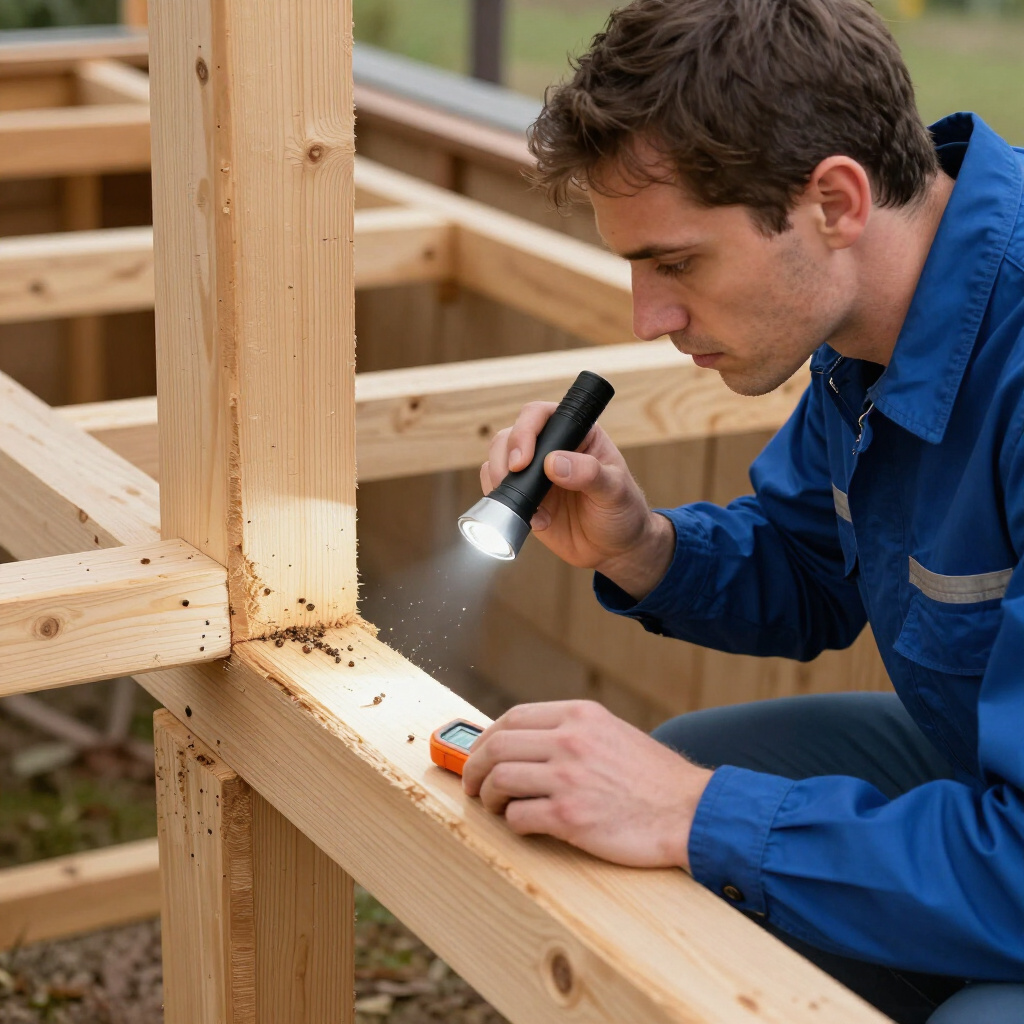
Frass, or termite droppings, also signals an active infestation. Drywood termites push their excrement out of small holes near the entrances to their tunnels, creating tiny piles that resemble sawdust or coffee grounds. Unlike sawdust from construction, frass has a granular, six-sided shape when examined closely.
Structural and Auditory Warning Signs
As termites consume wood from the inside out, they leave behind a thin veneer that can create distinctive warning signals. Hollow-sounding wood is a major red flag. Tap on baseboards, window sills, door frames, and hardwood floors with the handle of a screwdriver. If areas sound papery or hollow, termites may have eaten away the interior structure.
Bubbling or peeling paint that resembles water damage often indicates moisture buildup from termite activity beneath the surface. Since termites require moisture to survive, their presence can cause paint to warp, blister, or discolor in ways that mimic minor flooding or plumbing leaks.
Pay attention to your floors as well. Sagging, spongy, or buckling floorboards suggest significant structural compromise. Doors and windows that suddenly become difficult to open or close may also indicate warping from termite damage rather than simple humidity changes.
At night, when your home is quiet, you might actually hear termites at work. A quiet clicking or rustling sound coming from walls can be soldier termites banging their heads against wood to signal danger to the colony, or workers chewing through timber. This auditory clue is rare but worth investigating if you notice it.
Swarming Activity and Seasonal Patterns
Termite swarms represent one of the most unmistakable signs of an active or nearby colony. These events typically occur on warm days following rain, most commonly in spring but sometimes in fall for certain species. Swarming termites are often mistaken for flying ants, but several key differences help with identification.
Termites have straight, bead-like antennae and two pairs of equal-length wings. Flying ants possess elbowed antennae, a pinched waist, and front wings that are noticeably longer than their hind wings. If you witness a swarm inside your home, this almost certainly means an active colony exists within your structure and requires immediate professional attention.
Even seeing swarms outdoors near your property warrants caution. Termites can travel substantial distances from their colony to find new food sources. Multiple swarms near your foundation, porch, or wooden fence posts suggest established colonies in close proximity.
Key Tips for Early Detection and Prevention
Regular inspection habits dramatically improve your chances of catching termites before catastrophic damage occurs. Schedule annual professional inspections, especially if your home has experienced previous termite activity or if neighboring properties have been treated. Professionals have the training and tools to detect hidden colonies behind walls, beneath floors, and in inaccessible crawl spaces.
Between professional visits, conduct your own seasonal checks. Examine exposed wood in basements, attics, and garages for any changes in appearance or texture. Maintain proper ventilation in crawl spaces and attics to reduce moisture that attracts termites. Ensure gutters direct water away from your foundation, and repair any leaking faucets, pipes, or air conditioning units promptly.
Remove wood-to-soil contact wherever possible. Firewood, lumber, and wooden debris should be stored at least twenty feet from your home and elevated off the ground. Keep mulch layers thin and several inches away from foundation walls. Trim back shrubs and tree branches that touch your home's exterior, as these create convenient bridges for foraging termites.
Consider pre-treatment or baiting systems if you live in regions with high termite pressure. Modern termite baiting systems use strategically placed stations to monitor and eliminate colonies before they reach your structure. These systems offer ongoing protection with minimal environmental impact compared to traditional barrier treatments.
When to Call a Professional
Any signs you may have termites warrant prompt professional evaluation. Termite damage is rarely covered by standard homeowners insurance policies, making early intervention financially critical. A licensed pest control specialist can confirm species identification, assess the extent of infestation, and recommend appropriate treatment options tailored to your situation.
Treatment methods vary based on termite species and infestation severity. Liquid soil treatments create protective barriers around your foundation, while baiting systems target colony elimination over time. For drywood termites, localized wood treatments or whole-structure fumigation may be necessary. Your pest professional will explain the advantages and limitations of each approach for your specific circumstances.
Final Thoughts
Protecting your home from termites requires vigilance, knowledge, and proactive measures. The signs discussed—from mud tubes and discarded wings to hollow wood and seasonal swarms—provide valuable early warning signals that something may be amiss. No single indicator definitively confirms or rules out termites, but combinations of these signs strongly suggest professional evaluation is needed.
Remember that termites operate silently and efficiently, making homeowner awareness essential. By understanding what to look for and implementing preventive strategies, you position yourself to catch problems early and minimize potential damage. When in doubt, consult with a qualified pest management professional who can provide peace of mind through thorough inspection and evidence-based recommendations. Your home represents a significant investment worth protecting from these persistent and costly invaders.