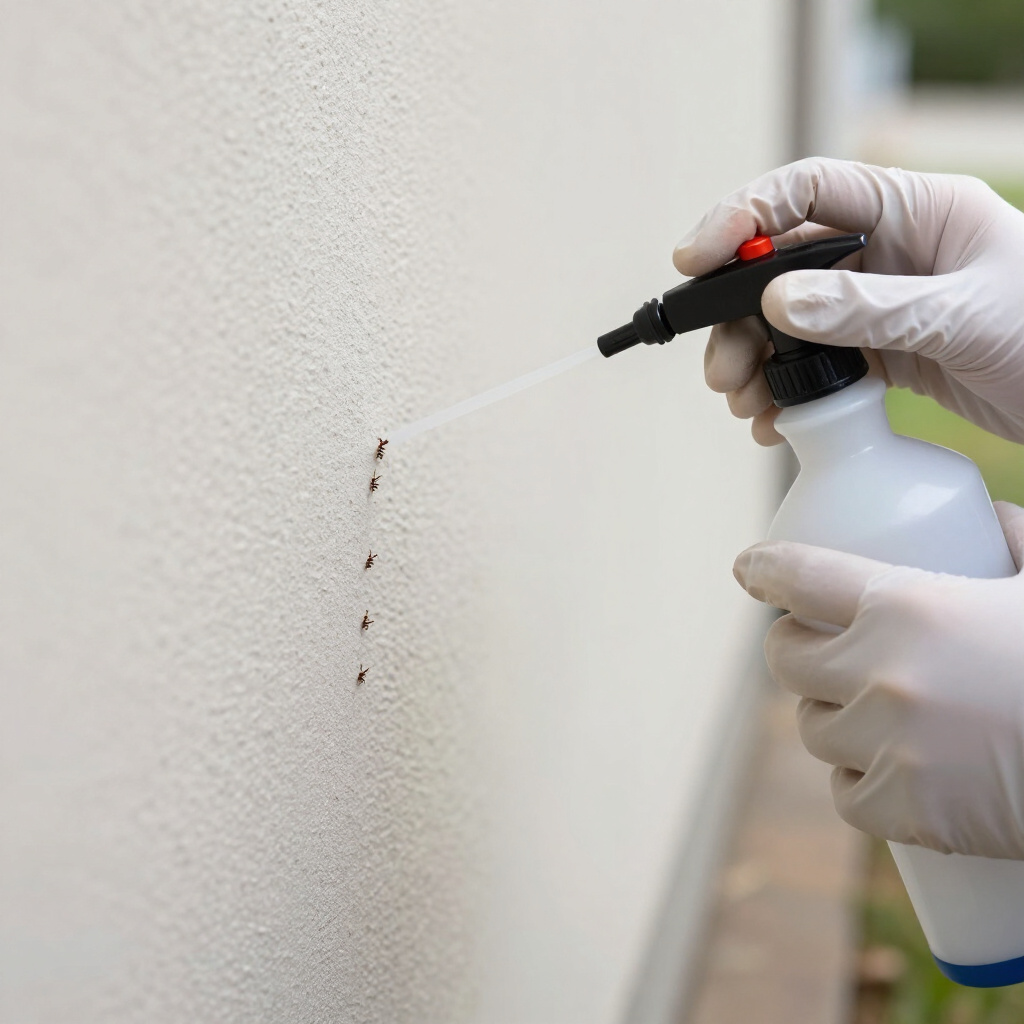


Pest Control Services in Devils Lake, ND
Devils Lake sits at the heart of Ramsey County, surrounded by the namesake lake and rich agricultural lands that draw more than anglers and tourists. The same water sources and crop fields that sustain this North Dakota community also create ideal conditions for pests to flourish throughout the year. From the humid summer months when mosquito populations surge to the bitter winters when rodents invade structures seeking warmth, pest control in Devils Lake requires strategies adapted to the region's distinct seasonal challenges.
Properties near the lakefront face heightened pressure from moisture-loving insects including ants, spiders, and occasional termite activity in aging wooden structures. Meanwhile, farms and rural homesteads throughout Ramsey County battle grain beetles, weevils, and rodent infestations that threaten stored commodities. Even downtown Devils Lake businesses along 4th Street encounter persistent issues with cockroaches and mice in basements and utility spaces.
Effective pest management here demands familiarity with North Dakota's agricultural cycles and the specific entry points common in structures built to withstand prairie winters. Professional technicians understand how ice damming and foundation settling create new access routes for pests, and how to seal these vulnerabilities without compromising ventilation needed during humid summers.
Seasonal Pest Pressures in Ramsey County
Spring thaw brings boxelder bugs and Asian lady beetles emerging from wall voids where they overwintered. By June, mosquito control becomes urgent for lake-area residents, while agricultural zones see aphid and mite populations climbing. Late summer introduces yellowjacket and hornet activity peaking around outdoor gatherings. Fall triggers the critical migration of mice and rats into buildings—a problem worsening each year as harvest patterns shift.
Winter service focuses on interior monitoring and exclusion work, identifying how pests survived initial cold snaps and preventing mid-winter population explosions that surprise property owners during January thaws.
Frequently Asked Questions About Pest Control in Devils Lake
What pests are most common in Devils Lake homes near the lake?
Moisture from Devils Lake and surrounding wetlands creates persistent spider, ant, and mosquito problems for lakeshore properties. Cabin owners particularly struggle with field mice and voles during shoulder seasons. Spider populations peak in late summer when flying insects abundant near water provide ample food sources. Professional perimeter treatments combined with moisture management around foundations deliver the most reliable results for these lake-specific challenges.
How does agricultural activity around Ramsey County affect residential pest control?
Devils Lake's position amid some of North Dakota's most productive farmland means residential pest pressures directly tie to crop cycles. Grain harvests in September and October drive rodent displacement into nearby structures. Soybean and corn fields harbor aphids and mites that migrate to ornamental plantings. Even organic matter from livestock operations attracts filth flies that become neighborhood nuisances. Integrated pest management approaches account for these agricultural influences, timing exterior barrier treatments before peak migration periods.
Is winter pest control necessary in Devils Lake's climate?
Absolutely. While outdoor pest activity diminishes during North Dakota winters, interior infestations often intensify as mice, rats, and occasional overwintering insects exploit the temperature differential. Winter service identifies active harborage in wall cavities, crawl spaces, and attics where pests remain undisturbed. Technicians also inspect for ice dam-related moisture intrusion that creates unexpected pest habitat. Spring preparation during February and March prevents the explosive population rebounds that frustrate property owners who skipped cold-weather maintenance.