

How to Choose a Pest Control Professional in Dickinson
Finding the right pest control provider in Dickinson means looking beyond quick fixes. Stark County's semi-arid climate and agricultural surroundings create unique pest pressures that demand local expertise.
Start by verifying North Dakota licensing through the State Department of Agriculture. Licensed applicators must meet continuing education requirements and follow strict safety protocols. Ask whether technicians carry structural pest control certifications for residential and commercial work.
Experience with regional pest patterns matters significantly here. Dickinson sits in western North Dakota's mixed-grass prairie, where rodents, boxelder bugs, and occasional termite pressure differ from eastern parts of the state. Providers familiar with Stark County understand seasonal migration timing and nesting behaviors specific to this area.
Request integrated pest management (IPM) approaches rather than blanket chemical treatments. Quality professionals inspect thoroughly, identify entry points, recommend exclusion work, and use targeted applications only when necessary. This matters for households with children, pets, or livestock operations common in the region.
Check service guarantees and response times. Dickinson's cold winters drive pests indoors rapidly—same-day or next-day emergency service proves valuable when infestations escalate quickly.
What to Expect from Pest Control Services in Dickinson
Understanding the service process helps set realistic expectations and prepares your property for effective treatment.
Initial Inspection: Technicians examine interior and exterior spaces, identify pest species, locate harborage areas, and assess moisture conditions. In Dickinson homes, this often includes checking basements, crawl spaces, garage perimeters, and areas near grain storage or outbuildings.
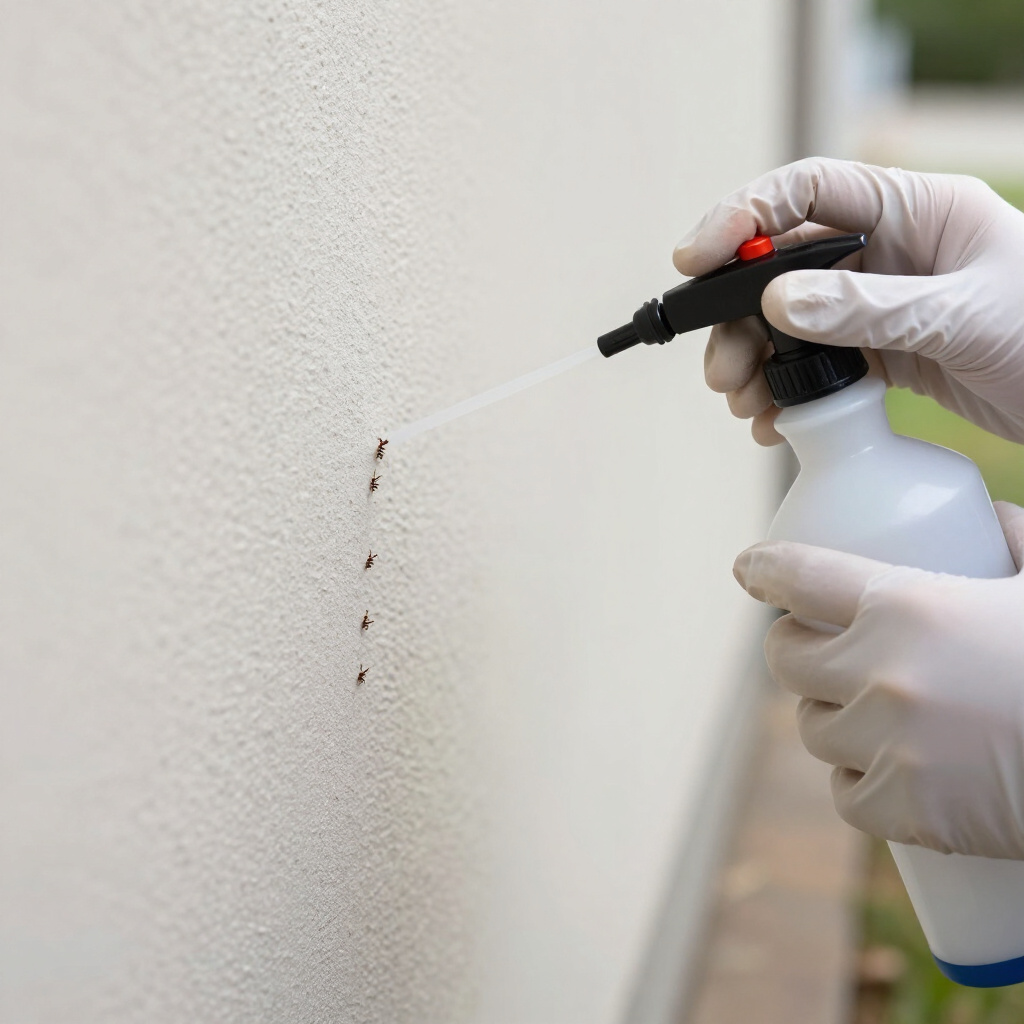
Treatment Planning: Based on findings, providers develop customized strategies. Exterior perimeter treatments create protective barriers. Interior spot applications address active infestations. Rodent control typically combines trapping with exclusion sealing.
Implementation: Most residential treatments take 1-2 hours. You may need to vacate briefly during certain applications, though many modern products allow re-entry within hours. Technicians should explain product labels, safety precautions, and any preparation steps beforehand.
Follow-up Monitoring: Successful pest management requires ongoing attention. Quarterly or bi-monthly maintenance visits help prevent reinfestation, particularly important given Dickinson's extreme seasonal shifts that push pests indoors during temperature swings.
Available Pest Control Services
Providers serving Dickinson offer comprehensive solutions addressing the region's most prevalent pest concerns:
- Residential Pest Control — General household protection against ants, spiders, wasps, and occasional invaders
- Commercial Pest Management — Customized programs for restaurants, hotels, healthcare facilities, and retail spaces
- Rodent Control — Mice and rat elimination with structural exclusion to prevent recurrence
- Termite Inspection & Treatment — Detection and control for subterranean termites, including pre-construction treatments
- Mosquito Reduction — Seasonal barrier treatments for outdoor spaces
- Bed Bug Elimination — Heat treatment and conventional options for residential and lodging properties
- Wildlife Management — Humane removal of raccoons, skunks, and other nuisance animals
- Agricultural Pest Consultation — Support for farmsteads and rural properties managing stored product pests
Many Dickinson providers offer bundled service plans combining multiple treatments at reduced rates, with options for monthly, quarterly, or annual scheduling based on property needs and pest pressure levels.
Frequently Asked Questions
What pests are most common in Dickinson homes?
Boxelder bugs, mice, voles, spiders, and ants top the list. Winter months bring increased rodent activity as temperatures drop. Spring and summer see heightened wasp and ant pressure. Occasional termite activity occurs despite the semi-arid climate.
How often should I schedule pest control maintenance?
Most Dickinson properties benefit from quarterly service visits. Severe infestations or properties near agricultural fields may require monthly treatments initially. Your provider should adjust frequency based on monitoring results rather than maintaining unnecessary visits.
Are pest control treatments safe around children and pets?
Modern IPM-focused providers use targeted, reduced-risk products applied in minimal quantities. Technicians should provide specific re-entry timelines and identify any temporary precautions. Pet-safe and child-friendly options are widely available when requested.